

When Buildings Turn Hazardous: The Public Health Risk Of Drug Residue
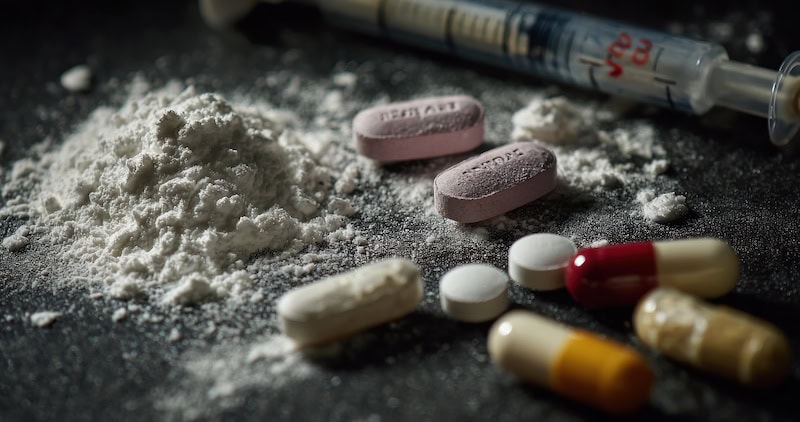
Imagine this scenario: a fatal overdose occurs in a multifamily unit. Activities such as handling, crushing, snorting, or smoking can aerosolize drug particles, which then settle on surfaces, penetrate HVAC systems, and deposit within hidden crevices. Weeks or months later, cleaners, maintenance personnel, tenants, contractors, or staff can unknowingly touch, inhale, or disturb those residues.
In commercial, institutional, or multifamily buildings, this type of contamination is frequently ignored, not necessarily out of negligence, but because the danger is invisible. Often, risk only becomes apparent when someone becomes ill, a liability claim is triggered, or remediation is mandated. In some ways, those are the best-case scenarios. So, what is the worst-case? What if there is a fatal exposure from a hazard no one realized was there?
Even trace levels of high-potency substances like fentanyl or methamphetamine may pose legitimate health concerns. Add new drugs like Xylazine being illicitly compounded into the mix and you have a hazardous cocktail nightmare because Narcan does not work for non-opioid compounds. While these substances are frequently associated with overdose scenes and illicit labs, they are rarely accounted for in standard facility risk assessments.
What if there is a fatal exposure from a hazard no one realized was there?
Facilities face serious health and legal risks when dealing with fentanyl contamination. Because fentanyl is potent in extremely small doses, skin contact with contaminated surfaces or inhalation of aerosolized particles can be hazardous, particularly in enclosed spaces. Residue can also travel via shared HVAC systems, corridors, and high-touch surfaces, especially in facilities with communal spaces. Furthermore, residue can persist long after a triggering event, exposing staff, visitors, or contractors weeks later depending on environmental conditions and substance stability.
In terms of the legal and financial implications of drug hazards in buildings, insurance ambiguity leads the way. Drug contamination can be classified under vandalism, pollution, or biohazard policies with varying degrees of coverage. In regard to a building owner’s duty of care, failing to remediate such hazards properly can expose facility managers and owners to liability if occupants or workers are harmed. Also, without formal clearance reports, any building reentry decisions can be challenged by legal or regulatory bodies.
The implications of drug residue are underscored by a recent case where an “extent of contamination” study was conducted to help determine how far drug residue had spread in a property. A consultant familiar with indoor air quality protocols was brought in to guide surface sampling across multiple zones, including points of egress, HVAC systems, fan blades, electronics, and the area where drug use occurred.
Facility Manager’s Readiness Checklist
| ✔ | Include drug contamination in emergency response planning |
| ✔ | Train maintenance and cleaning staff to identify possible contamination and exposure. Know how to administer naloxone. |
| ✔ | Pre-vet vendors to ensure that they are compliant with OSHA HAZWOPER (Hazardous Waste Operations and Emergency Response, CFR: 1910.120 and certification from the American Bio Recovery Association (ABRA) and knowledge of the IICRC S-540 and S-900 standards.) |
| ✔ | Audit building’s insurance policies for pollution/biohazard clauses. |
| ✔ | Establish a formal documentation protocol for remediation |
Surface tests revealed contamination in only a few areas, primarily in the carpeting, where aerosolized particles had settled during use. With that information, the site was limited scope project rather than a full-scale remediation. The up-front assessment helped reduce unnecessary disruption and expense while still ensuring occupant safety. However, it’s important to note that when testing is too narrow or misses concealed areas, contamination may go undetected, potentially expanding the scope and cost later. Thorough, professional assessments are critical to avoid both over-remediation and dangerous underestimation.
A Facility Manager’s Step-By-Step Guide To Safe Remediation
1. Initial Assessment & Risk Scoping
- Engage a certified Industrial Hygienist (IH) or Indoor Environmental Professional (IEP).
- Conduct wipe sampling on high-touch areas, HVAC components, and soft surfaces.
- Define the contamination zone based on testing and visual indicators.
2. Containment and Worker Safety
- Install negative air pressure containment barriers.
- Equip teams with gloves, P100 respirators, goggles, and disposable suits.
- Ensure Naloxone is available, and staff follow a buddy system.
3. Cleaning and Decontamination
- HEPA vacuum all surfaces; use surfactants to wet-wipe non-porous materials.
- Remove and replace affected soft materials: carpets, insulation, acoustic tiles.
- Clean HVAC systems thoroughly before restart.
4. Waste Disposal
- Treat all material as potentially hazardous.
- Use sealed, labeled containers; maintain chain-of-custody documentation.
- Ensure waste is incinerated or disposed of per regulatory requirements.
5. Verification and Clearance
- Conduct third-party sampling and analysis post-cleanup.
- Obtain a written clearance report confirming contaminant levels are below thresholds.
- Document all actions, findings, and personnel involved.
International Considerations And Best Practices
While regulations vary globally, the fundamental risks remain consistent. In Canada and parts of Europe, health agencies are issuing alerts and standards on fentanyl risks in non-traditional environments. The IICRC ANSI S-540 and the S-900 international standards both apply here as a patchwork of best practices.
Facility managers must adapt those frameworks to manage this unique threat, while advocating for clearer policies and better protections worldwide.
Overall, drug residue is a growing and overlooked risk in the built environment. For facility professionals, the challenge lies not just in removing contaminants but in planning for their possibility, protecting staff and occupants, and documenting every step. With the right strategies, buildings can be made safe, but only when leaders treat residue contamination with the same rigor as any other critical infrastructure threat.
By Thomas Licker, CEICR, CBRM

Thomas Licker, CEICR, CBRM, is Senior Vice President of Regulatory Business Practices at First Onsite and Past President of the American Bio Recovery Association. With over 25 years in environmental remediation and infection control, he specializes in hazardous Materials, biohazard response and facility hygiene.